What Makes a Good Interview Simulation?
Not all interview simulations are equal. A useful simulation is not just a list of random questions. It needs structure, context, and relevance to the role being pract...
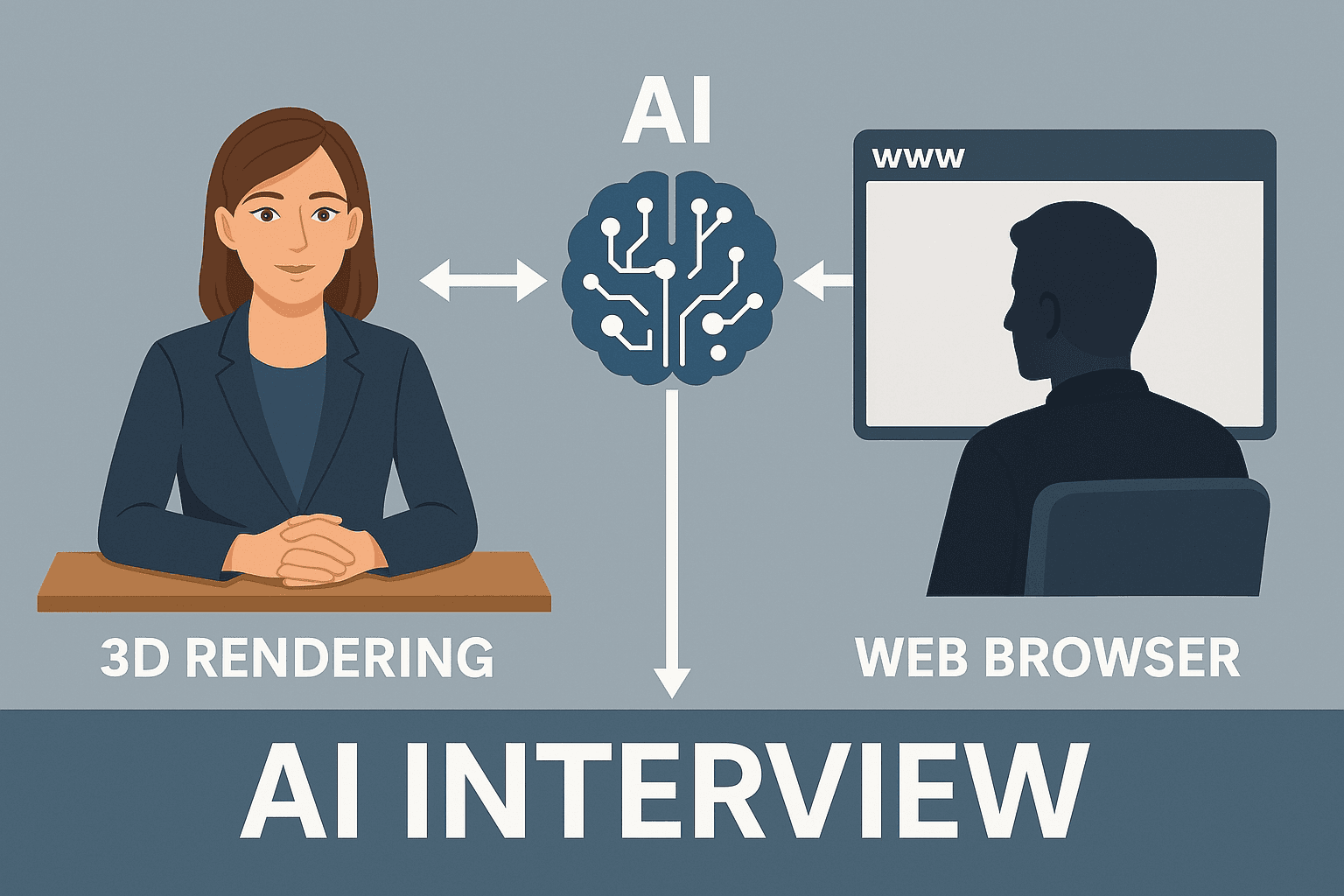
Not all interview simulations are equal. A useful simulation is not just a list of random questions. It needs structure, context, and relevance to the role being practised.
A strong interview simulation reflects real-world expectations. It should align to a specific job role, use a consistent interviewer profile, and allow candidates to respond verbally rather than typing short answers. Realism matters, but so does repeatability.
Good simulations are also grounded in context. When interview questions reflect a candidate’s CV, a job description, or defined competencies, the experience becomes more meaningful. Generic questioning may test confidence, but contextual questioning tests preparation.
Finally, an effective interview simulation supports reflection. Transcripts, structured feedback, and the ability to repeat the session are what turn practice into development.
Interview simulation is not about replacing human interviewers. It is about creating a structured environment where learners can practise consistently before facing real opportunities.