Why LLMs Alone Aren’t Enough: Building Behaviour into PxlPersona
When people hear “AI interview training,” they often assume it’s just a smart chatbot — powered by an LLM (Large Language Model) that can ask and answer questions. But...

When people hear “AI interview training,” they often assume it’s just a smart chatbot — powered by an LLM (Large Language Model) that can ask and answer questions. But real interviews are behavioural, emotional, and contextual. They aren’t just about the words, but about timing, tone, style, and response depth.
At Pxl-Persona, we build interview avatars that behave more like people than prompts — because LLMs alone aren’t enough.
What Makes an Interview Feel Real?
A good interviewer:
-
Knows when to push
-
Knows when to pause
-
Adjusts based on your tone or nerves
-
Has their own weighting, personality, and style
LLMs don’t naturally do any of this. Out of the box, they respond based on probability — not purpose. That’s why building realism means wrapping the LLM inside a behavioural engine, a knowledge framework, and a performance model.
Personalities of LLMs: Not All Models Behave the Same
We’ve tested dozens of model configurations, and one thing is clear: models have personalities.
Example: LLaMA Chat vs LLaMA Instruct
-
**LLaMA Chat **is excellent for engaging interviews — it naturally asks follow-ups based on what the user just said. But: It can over-respond, layering 10–15 questions after just a few inputs. Overwhelming, not realistic.
-
LLaMA Instruct is perfect for a "cold" interviewer — it responds efficiently and stays on prompt, but rarely probes further. Great for simulating tough, disengaged interviewers.
These behaviours aren’t bugs — they’re tools. We tune them intentionally, choosing the right model for the right kind of simulation. That’s where LLM selection, prompt engineering, and guardrails come in.
What Is Temperature in AI?
Temperature controls how creative or deterministic an LLM is:
-
Low Temperature (0.0–0.3):Makes the AI predictable. Perfect for structured interviews or testing scenarios.
-
High Temperature (0.7–1.0):Adds creativity and randomness. Useful for simulating unconventional or creative roles — but harder to control.
At Pxl-Persona, we dynamically adjust temperature depending on:
-
Interview difficulty
-
Role realism
-
Use case (testing, learning, or confidence-building)
Why RAG, Prompt Templates, and Infrastructure Matter
We don’t just write a prompt and hope for the best.
Instead, we use:
-
RAG (Retrieval-Augmented Generation) to inject real-world data (CVs, job specs, interview history)
-
Dynamic prompt templates that update per session without changing base logic
-
LangChain and Ollama to control infrastructure, memory, and function chaining for advanced interactions
These tools allow us to build modular, extendable, and controllable AI for realistic simulation — not just conversation.
Building Avatars with Backstory
Every Pxl-Persona avatar has:
-
A role specialism (e.g. construction site management)
-
Knowledge of relevant slang, qualifications, and work culture
-
A personal history including family, education, and life events
This data is injected into the LLM using RAG and contextual memory — giving the AI depth, not just syntax.
It’s how we simulate real people, not empty talking heads.
The Problem with AI Voice — And How We Fix It
Voice matters. A lot.
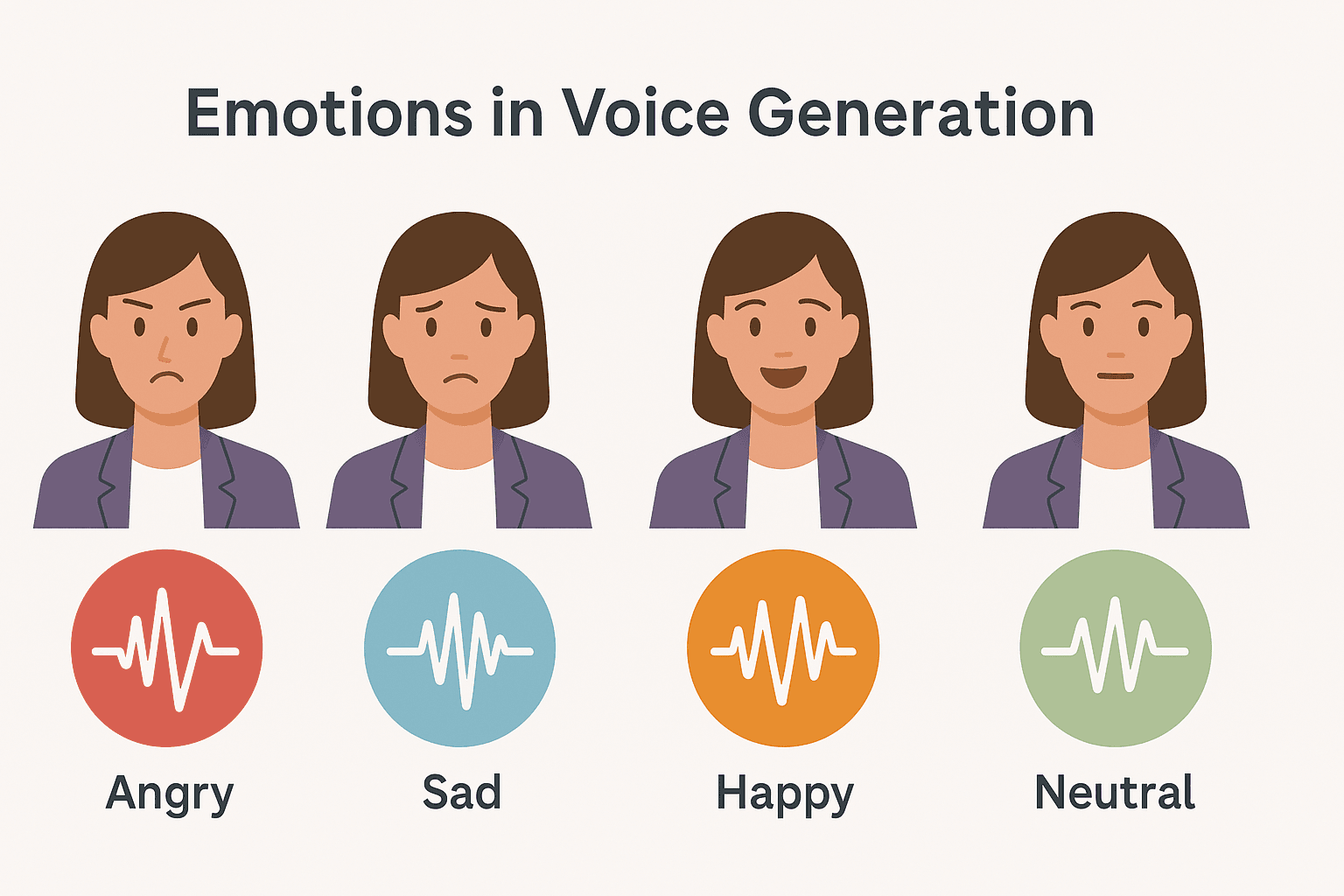
Most TTS (Text-to-Speech) systems:
-
Mispronounce specialist terms ("C#", pronounced C-Sharp in the programming industry, becomes "C-Hashtag")
-
Switch emotions mid-sentence, making avatars sound robotic or erratic
At Pxl-Persona, we:
-
Record neutral voices from real artists
-
Design tonal profiles like “stand-offish” or “supportive”
-
Carefully script industry-specific terms to get pronunciation right
-
Use NVIDIA A6000 GPUs to accelerate custom voice model creation (takes ~24 hours per voice set)
We don’t aim for flashy — we aim for believable.
Realism Is in the Behaviour
“Building AI is not hard, but building to AI that ‘feels’ smart is hard. One word, one hiccup can throw off the whole conversation.When building AI for games, if a character goes the wrong direction, it might technically be correct through the heuristic and math, but to the user, it’s ‘Stupid’.Pxl-Persona digs into underlying code to make the AI ‘Not-Stupid’.”— Dr David Tully, Scenegraph Studios
Conclusion: Real Interviews Need Real Behaviour
LLMs are a powerful piece of the puzzle. But on their own, they:
-
Don’t manage pacing
-
Don’t handle voice tone
-
Don’t adapt role behaviours
-
Don’t respond to personality or emotional cues
At Pxl-Persona, we’ve layered multiple systems around the LLM:
-
Behaviour Trees
-
Emotional context
-
Voice realism
-
Real-time RAG
-
Multi-model personality shaping
This is what makes our interview simulations feel like real interviews — and why our users feel more prepared.
Want to experience the difference yourself?Try Pxl-Persona through your browser and see how realistic AI interview simulation can be.
Explore our Interview Training Services Read how Ray used our avatars to land an NHS job