Why Repeatable Interview Practice Matters
Traditional mock interviews are often one-off events. A student attends a session, answers a handful of questions, receives brief feedback, and then waits for a real i...
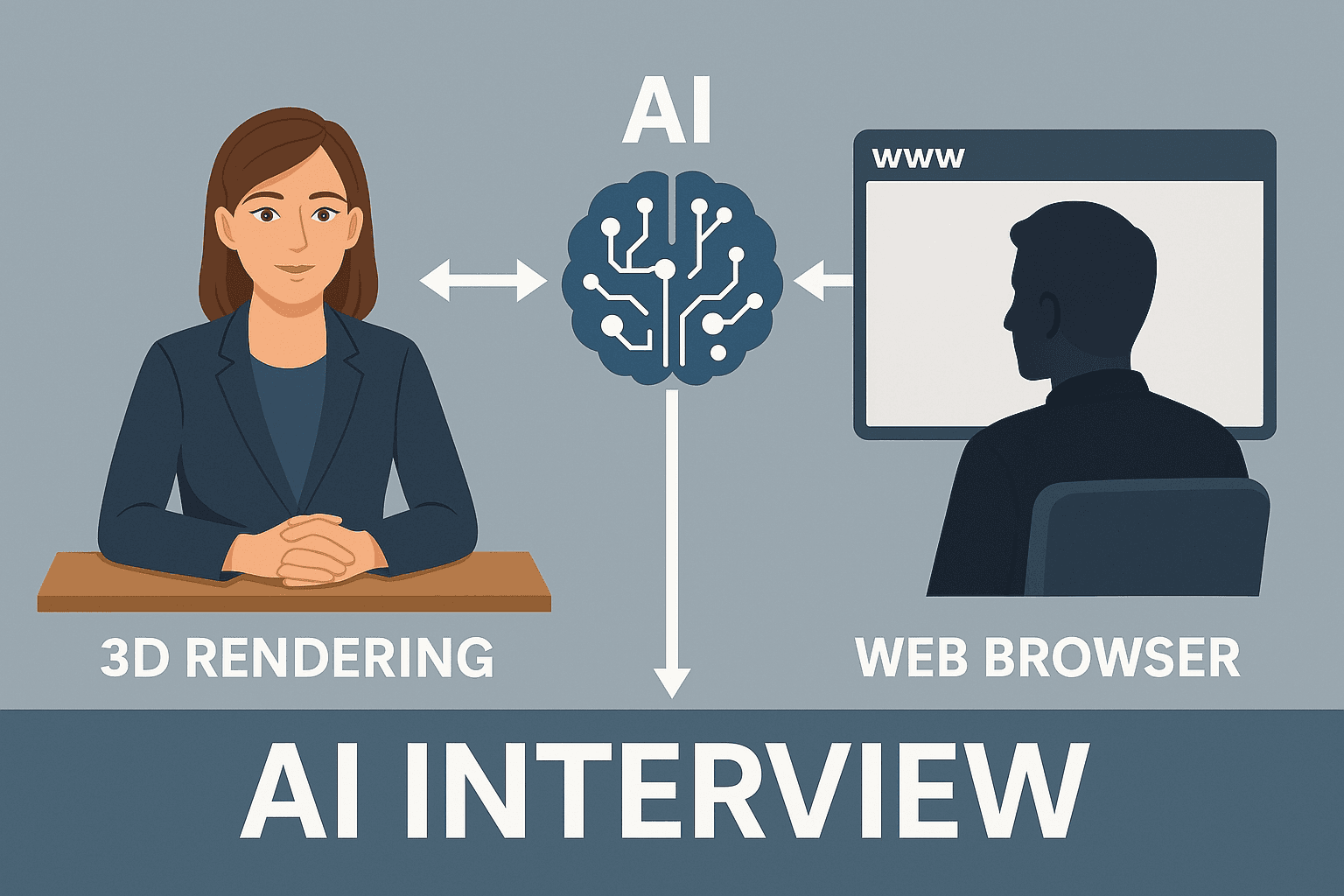
Traditional mock interviews are often one-off events.
A student attends a session, answers a handful of questions, receives brief feedback, and then waits for a real interview to test whether they improved. While useful, this approach does not allow for structured, repeatable development.
Interview skills improve through practice, reflection, and iteration. Without repetition, improvement is limited.
The Limits of One-Off Mock Interviews
One-time mock interviews can be:
-
Expensive to organise
-
Time-limited
-
Dependent on staff availability
-
Difficult to scale across large groups
Learners may only receive ten to fifteen minutes of live interview time. Once the session ends, there is little opportunity to revisit the same scenario under similar conditions.
This makes consistent skill progression difficult.
Interview Skills Are Built Through Iteration
Strong interview performance relies on:
-
Clear structure in answers
-
Confidence under pressure
-
Relevance to the role
-
Adaptability in follow-up questions
These elements improve when learners can:
-
Practise more than once
-
Review transcripts
-
Reflect on feedback
-
Adjust their approach and try again
Repetition builds familiarity, and familiarity builds confidence.
Creating a Controlled Practice Environment
A repeatable interview environment allows learners to practise without the pressure of a real employer.
In a controlled system, users can:
-
Run the same scenario multiple times
-
Refine their CV or examples
-
Adjust tone and structure
-
Track improvement over time
This approach shifts interview training from reactive to proactive.
Supporting Trainers at Scale
For trainers and educators, repeatable interview practice supports:
-
Structured programmes rather than isolated events
-
Cohort-wide consistency
-
Measurable progression
-
Reduced administrative burden
Instead of organising repeated live mock days, trainers can design scenarios once and allow learners to practise independently, with oversight available through transcripts and session data.
Building Confidence Before Real Interviews
Interview anxiety often stems from unfamiliarity.
When learners:
-
Understand the format
-
Anticipate question styles
-
Practise speaking their answers aloud
-
Review their own performance
they approach real interviews with greater confidence.
Repeatable practice reduces uncertainty, and reduced uncertainty supports clearer thinking.
Moving Beyond Occasional Practice
Modern interview preparation should not rely on occasional access to professionals.
Instead, learners benefit from:
-
Accessible, repeatable practice
-
Structured feedback
-
Role-specific context
-
Flexible scheduling
This model supports job readiness in a more practical and scalable way.
Book a Demo
If you would like to explore how repeatable interview practice can support trainers and learners, you can book a demo and see how structured, configurable sessions enable continuous improvement.