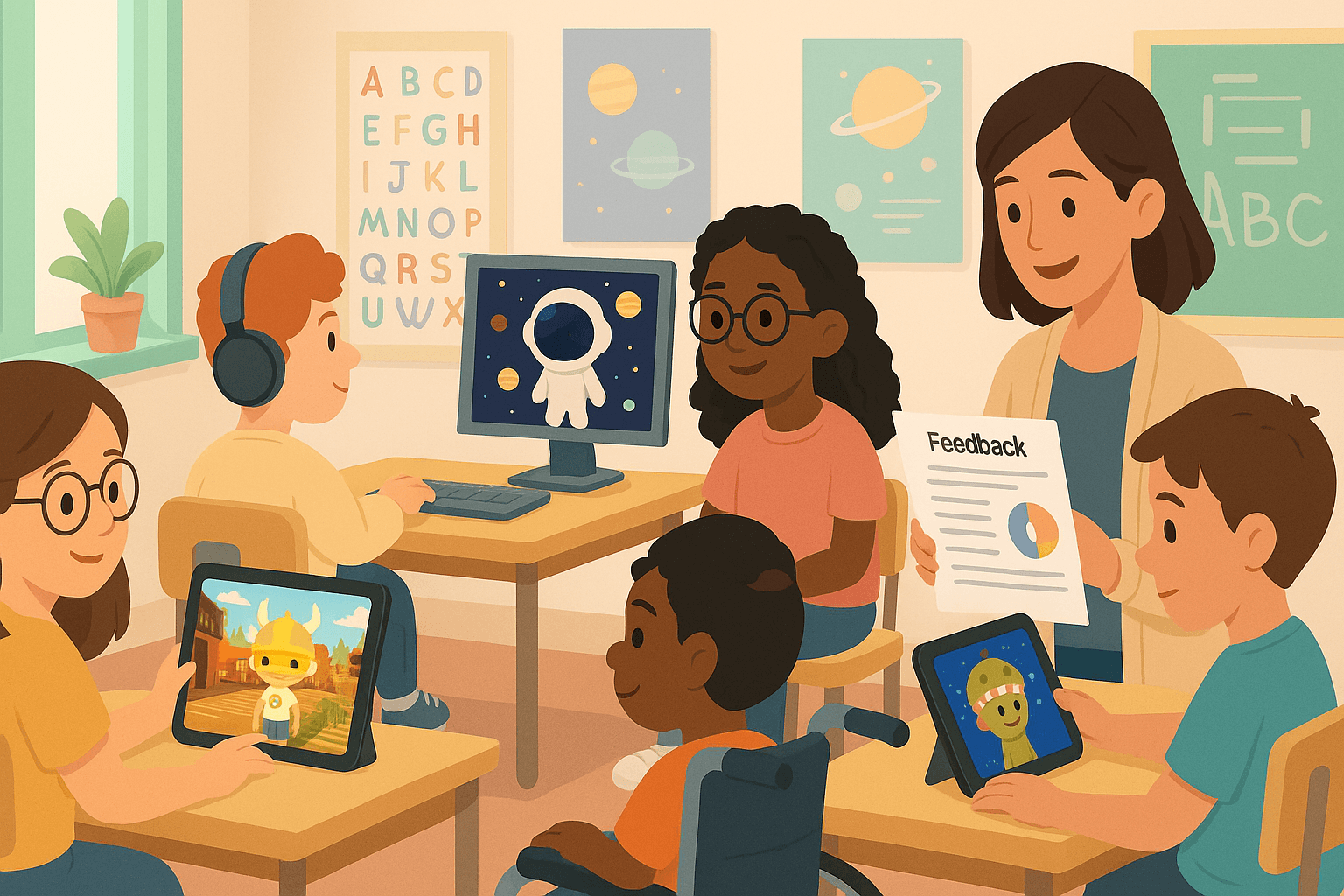
Interview Skills Training
Repeatable avatar-led interview practice for students, job seekers, charities, schools, colleges, and employers.
Safe, repeatable avatar practice for communication skills, confidence building, interviews, promotion conversations, and difficult workplace moments.

Many important conversations are difficult because people do not get enough chances to practise them. Going to an interview, explaining a problem at work, asking for a promotion, challenging a misunderstanding, or asking for support can feel high stakes before the first word is spoken.
This is particularly important for autistic people and others who may find unpredictable social situations stressful. Confidence often grows when a person can prepare in a structured way, try language out loud, make mistakes privately, and repeat the same situation until it feels familiar.
Pxl-Persona turns soft skills training into structured, repeatable avatar sessions. A learner can practise an interview, a workplace problem, a promotion conversation, a customer-facing situation, or a difficult conversation with a manager before they have to do it in real life.
We work with autistic charities and support organisations to shape scenarios around confidence, clarity, and preparation. The aim is not to force one style of communication. It is to give individuals a private, predictable environment where they can practise what they want to say, understand likely follow-up questions, and feel more prepared for the real conversation.
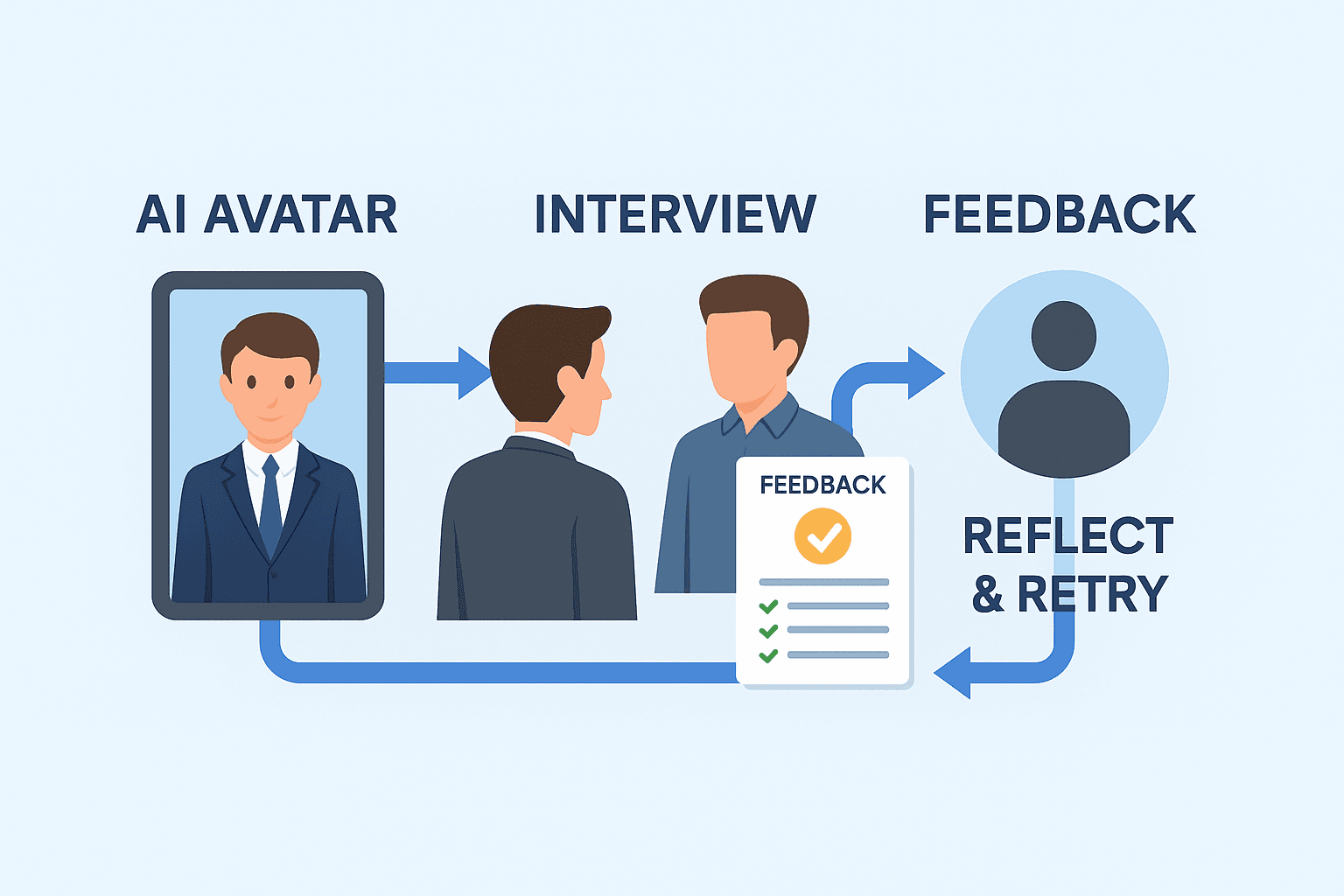
A charity, college, or employer can start with a small group of scenarios: a first interview, a strengths-based interview, a conversation about a problem at work, and a promotion discussion. Each scenario can be written with the organisation's language, policies, and support goals in mind.
Learners can repeat the same conversation at different difficulty levels. One avatar might be warm and supportive, another might ask more direct follow-up questions, and another might focus on clarifying examples. Coaches can then use the transcripts and feedback as the basis for a real support session.
Continue exploring the public Pxl-Persona site.
Repeatable avatar-led interview practice for students, job seekers, charities, schools, colleges, and employers.
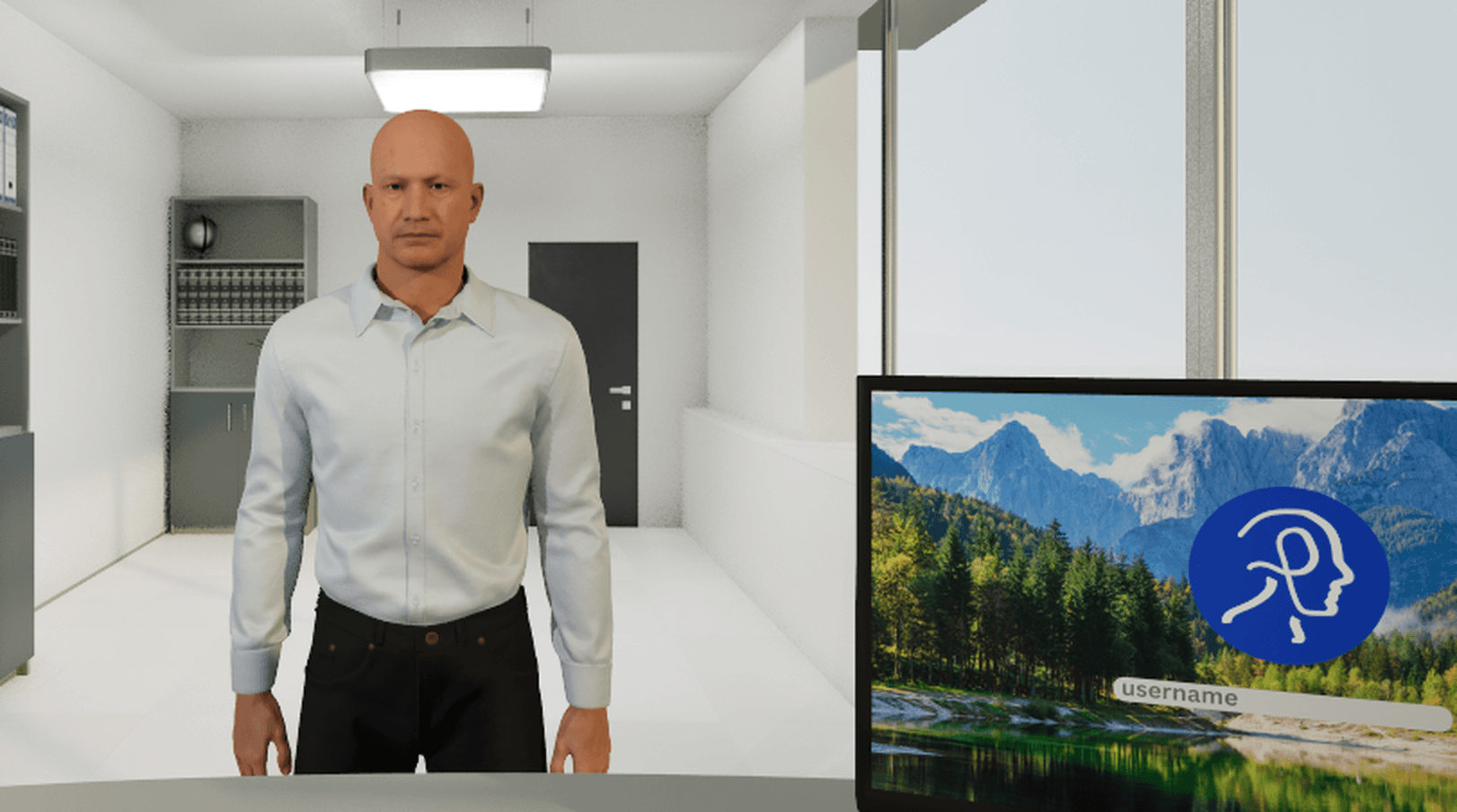
A healthcare training scenario focused on interview practice, listening, and structured questioning.
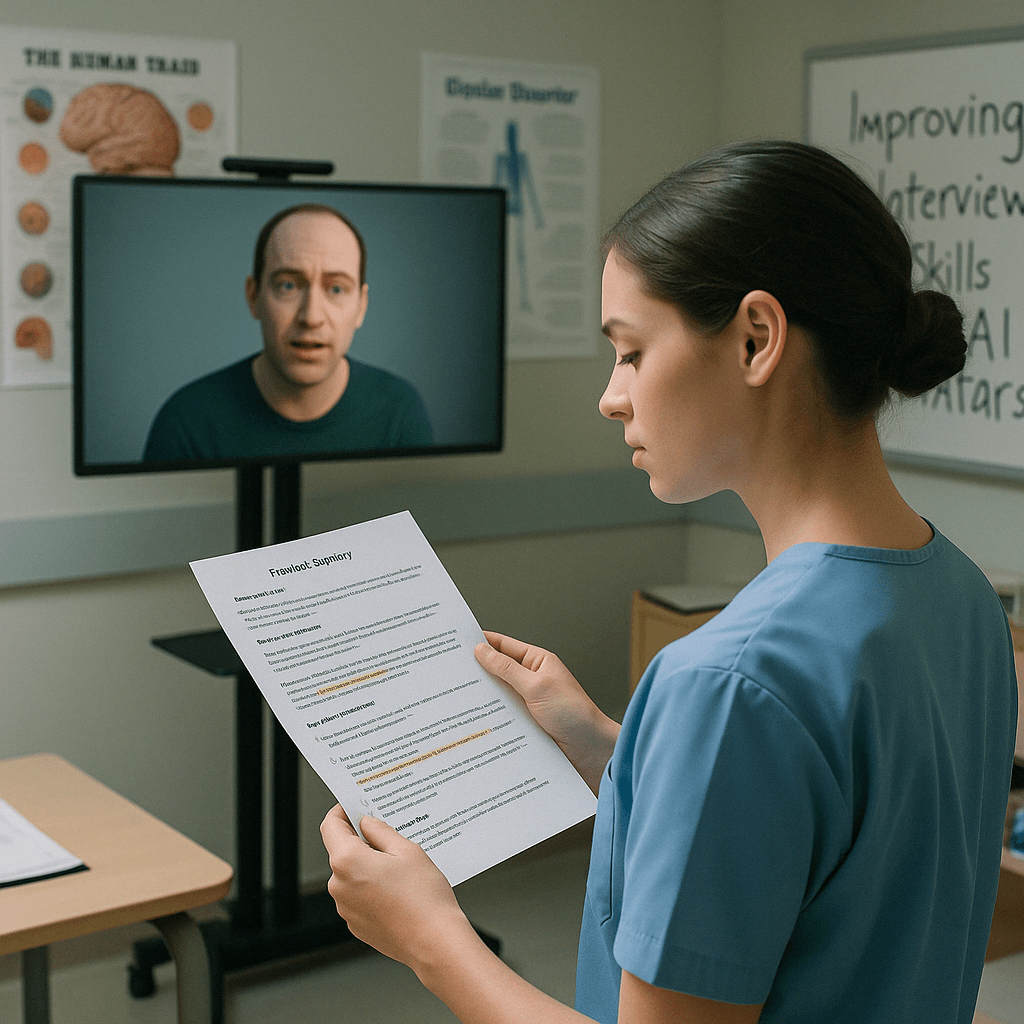
Avatar patient scenarios for nurses, doctors, and healthcare trainees to practise conversations around depression and anxiety.