Interview Skills Training
Repeatable avatar-led interview practice for students, job seekers, charities, schools, colleges, and employers.
Avatar patient scenarios for nurses, doctors, and healthcare trainees to practise conversations around depression and anxiety.
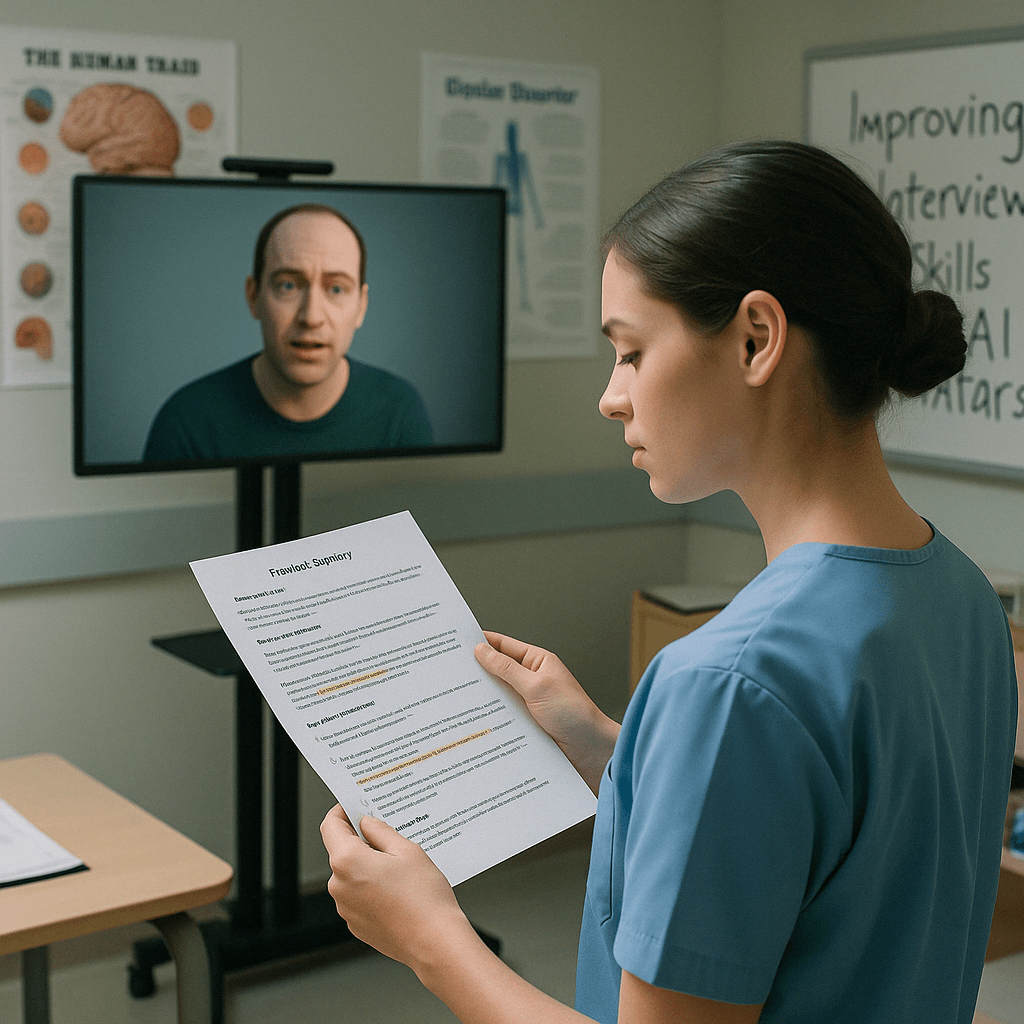
Trainee nurses, doctors, and healthcare students need to ask clear, personal, and sometimes culturally sensitive questions when supporting patients with mental health concerns.
Those conversations can be difficult to practise consistently with real patients. Learners may avoid important questions because they are worried about wording, tone, distress, or causing offence. A simulated patient gives them a supervised place to practise before they are in front of someone who needs real care.
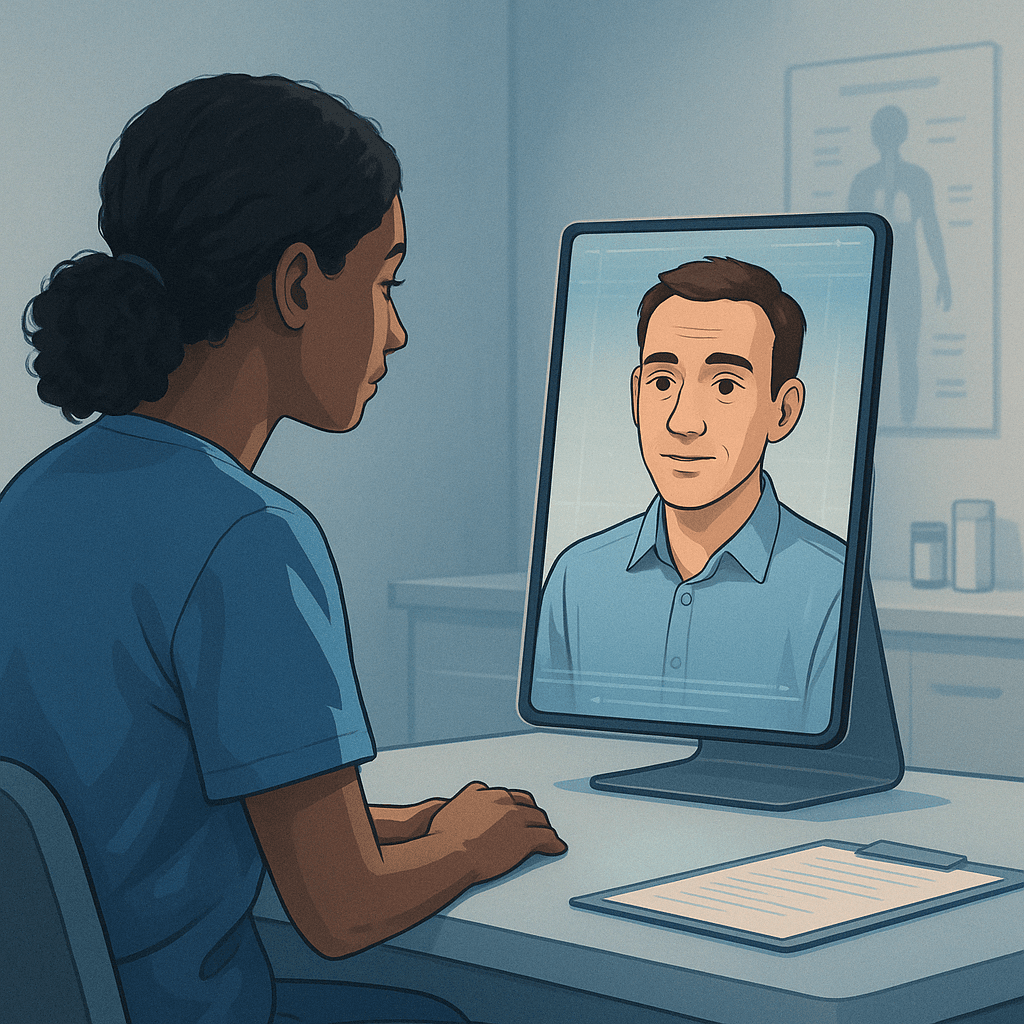
Pxl-Persona can use avatars as simulated patients for depression and anxiety scenarios, giving learners a safe space to practise before real clinical conversations.
We worked with Liverpool university partners, Chi-Zone, and the Virtual Engineering Centre to explore a bespoke AI brain built from local Birkenhead and Liverpool data. That local grounding helps shape traits, language, context, and presentation so the avatar feels more recognisable to the learners and communities involved.
A patient avatar can be configured for different emotional states and stages, such as a good day, a bad day, early symptoms, worsening depression, anxious presentation, or recovery-focused follow-up. The learner can then practise asking open questions, responding to distress, and recognising when a conversation needs escalation or support.
Training teams can add patient notes through file uploads, simulating the way clinicians prepare from real-world records before a consultation.
Uploaded context can include referral notes, patient histories, care plans, risk factors, medication summaries, family background, cultural considerations, local support pathways, or previous appointment notes. The same approach can support patients from different areas, backgrounds, ages, and communication styles.
The aim is to let learners make mistakes, try different phrasing, and build confidence in a supervised training environment before speaking with patients in the real world.
Clinical scenarios should be designed with appropriate expert input, clear learning goals, and review processes so the avatar supports training rather than replacing clinical judgement.
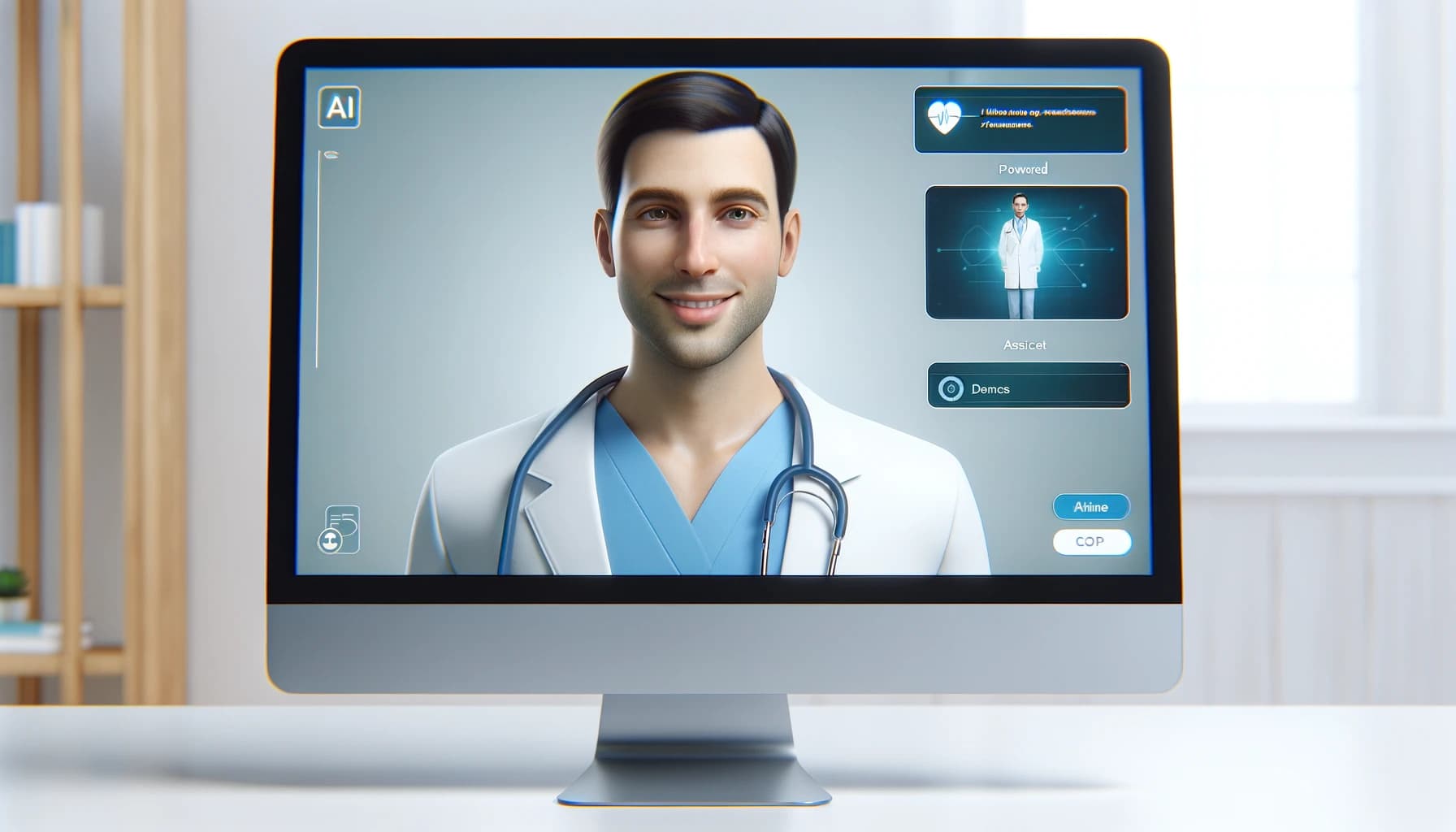
Continue exploring the public Pxl-Persona site.
Repeatable avatar-led interview practice for students, job seekers, charities, schools, colleges, and employers.

Safe, repeatable avatar practice for communication skills, confidence building, interviews, promotion conversations, and difficult workplace moments.
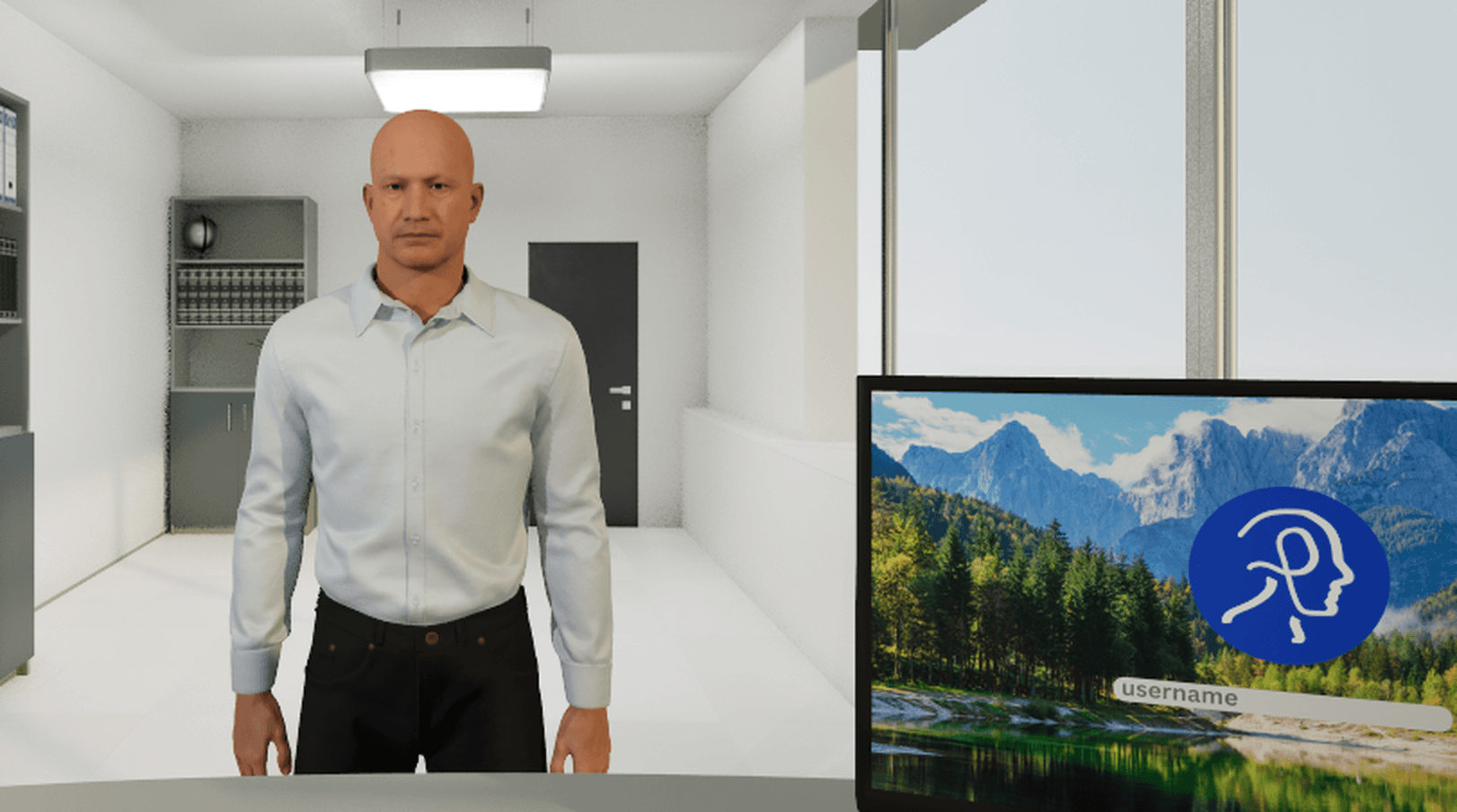
A healthcare training scenario focused on interview practice, listening, and structured questioning.