Interview Skills Training
Repeatable avatar-led interview practice for students, job seekers, charities, schools, colleges, and employers.
A healthcare training scenario focused on interview practice, listening, and structured questioning.
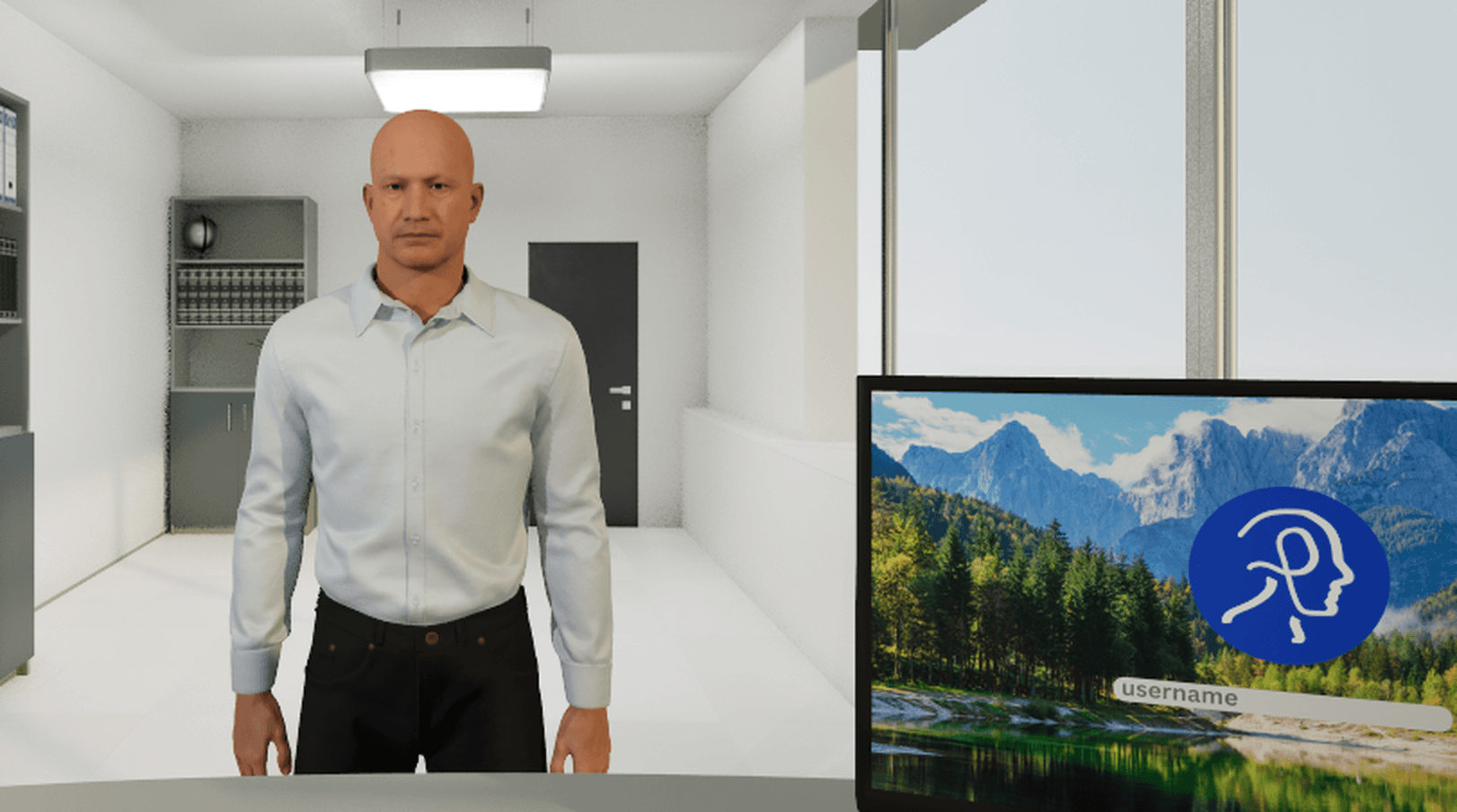
Pxl-Persona worked with a local university in Liverpool to build a proof of concept for an avatar that could display signs associated with bipolar presentation in a training scenario. The purpose was to explore how an AI patient could support safer, more repeatable practice for learners who need to ask sensitive questions with confidence and care.
The early work focused on the structure of the conversation as much as the technology. A useful patient avatar needs a clear backstory, controlled emotional range, relevant symptoms, appropriate boundaries, and a training objective that helps tutors assess questioning, listening, empathy, and escalation.
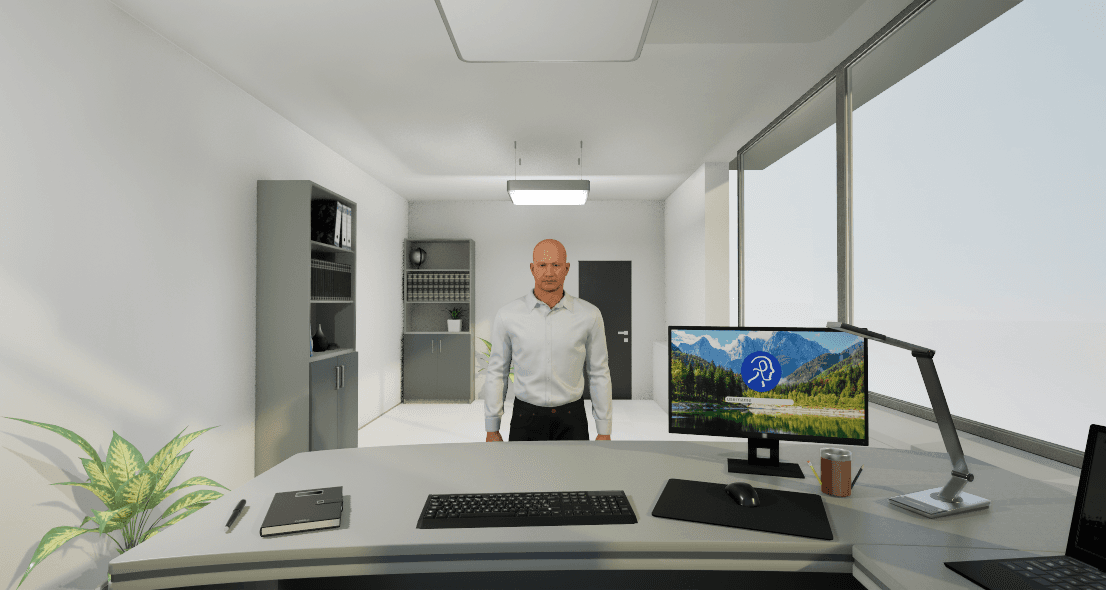
The proof of concept led into wider work with the University of Liverpool and Chi-Zone to explore AI avatars representing patients with mental health disorders, including depression, anxiety, and other controlled training presentations. The goal is to let trainee nurses and doctors practise the questions they may be nervous to ask when facing a real patient for the first time.
These scenarios are designed for training, reflection, and supervision. They do not replace clinical judgement or expert teaching. They create an additional practice layer where learners can make mistakes, try different phrasing, and build the confidence to approach sensitive conversations more safely.
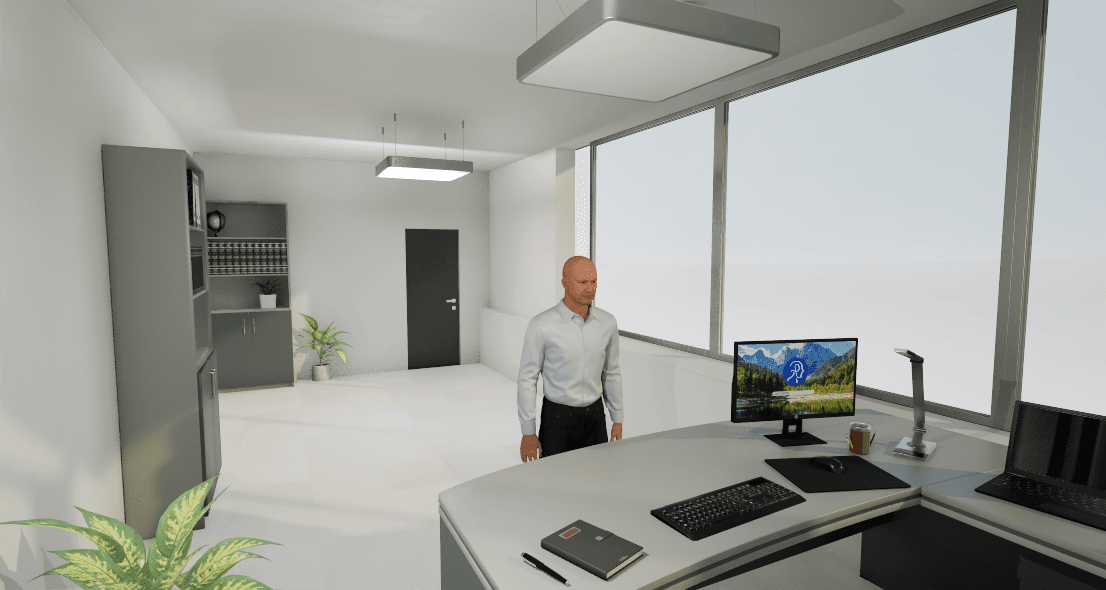
This healthcare work also helped Pxl-Persona extend its avatar programme beyond a single patient role. The platform now supports different role types, including interviewer, interviewee, and patient personas, each with its own scenario logic, tone, and review pathway.
That flexibility matters because the same underlying technology can support employability, clinical communication, soft skills, education, and visitor engagement while keeping each use case grounded in the right source material and expert review.
Continue exploring the public Pxl-Persona site.
Repeatable avatar-led interview practice for students, job seekers, charities, schools, colleges, and employers.

Safe, repeatable avatar practice for communication skills, confidence building, interviews, promotion conversations, and difficult workplace moments.
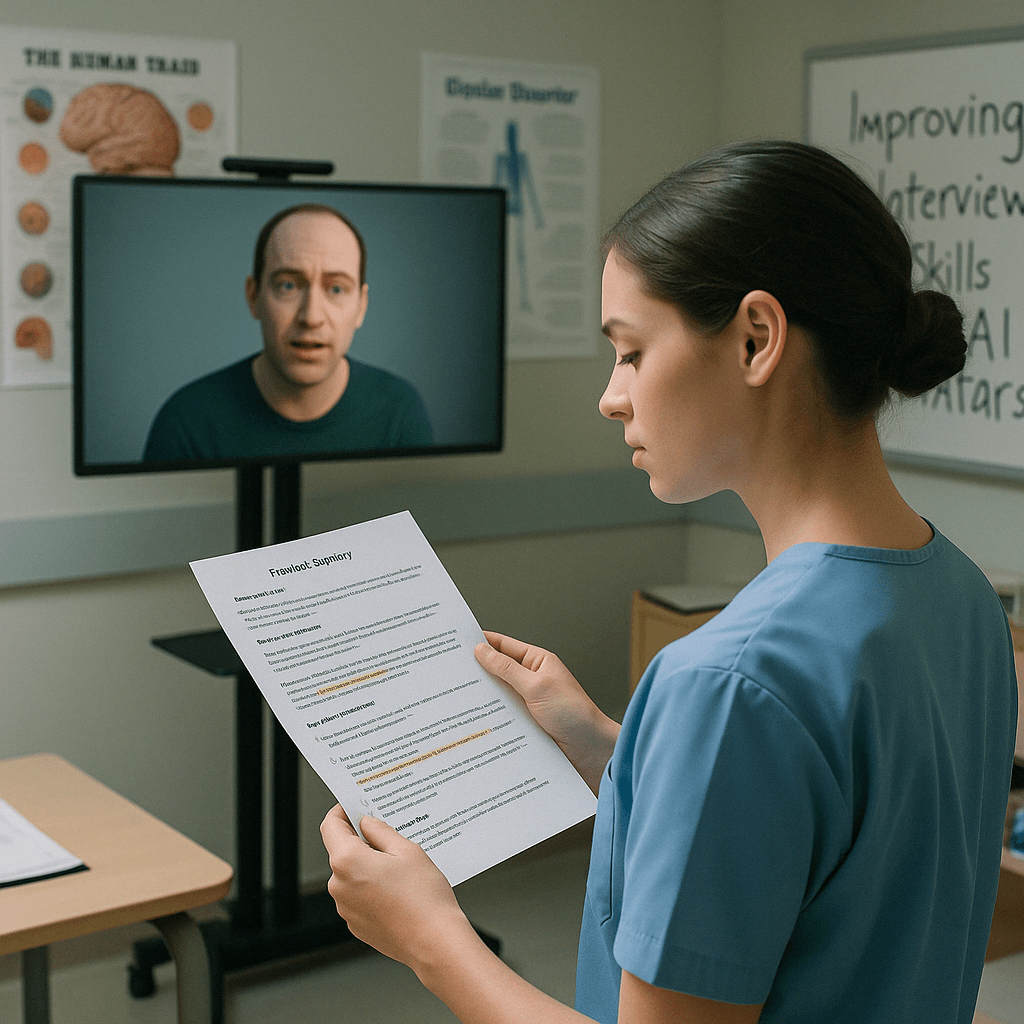
Avatar patient scenarios for nurses, doctors, and healthcare trainees to practise conversations around depression and anxiety.