How We Create Realistic AI Voices That Don’t Sound Robotic
When people interact with an AI avatar, it’s the voice that makes or breaks the illusion. A voice that sounds stiff, overly polished, or out of place can quickly pull...
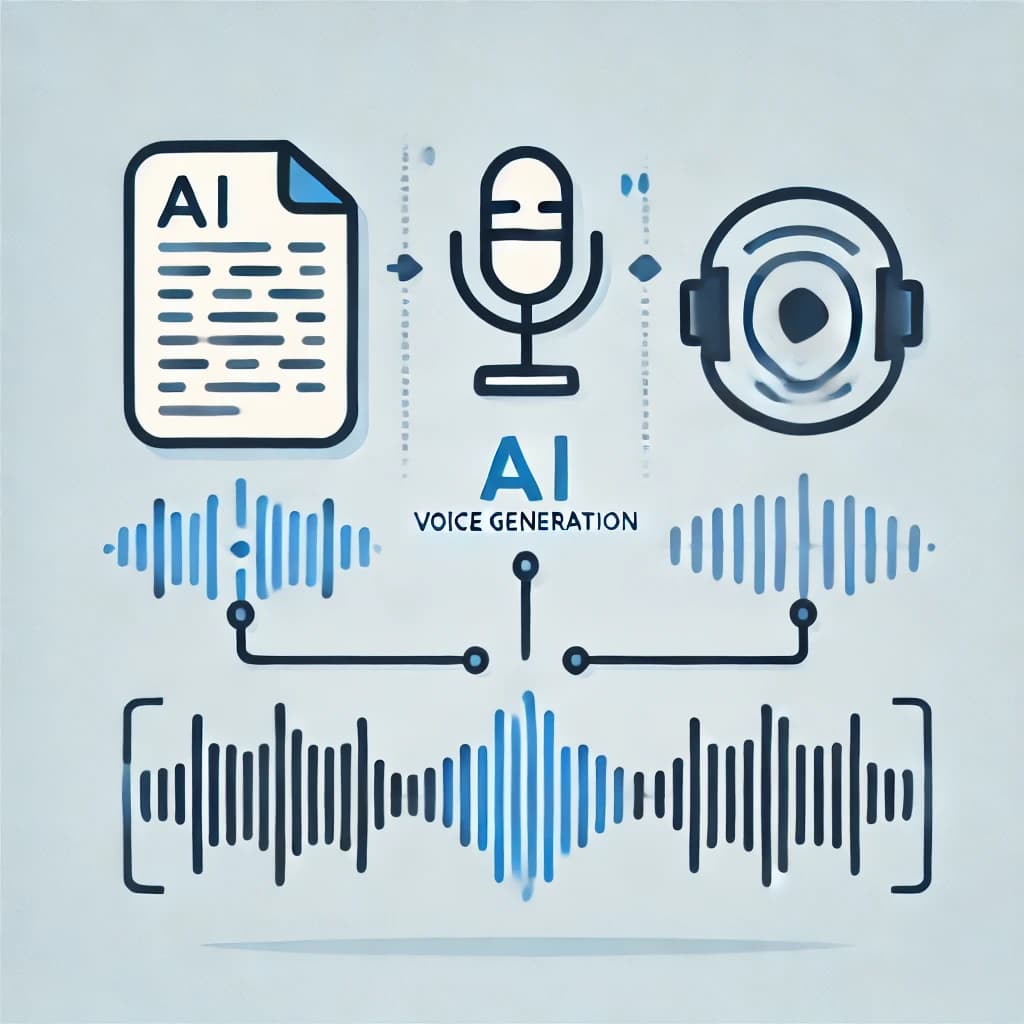
When people interact with an AI avatar, it’s the voice that makes or breaks the illusion. A voice that sounds stiff, overly polished, or out of place can quickly pull a user out of the experience.
At Pxl-Persona, we’ve spent years refining how our avatars speak. The result is a process that creates voices with character, realism, and emotional depth — whether they’re guiding visitors through a museum, helping a student practise interviews, or representing a client’s own team.
Here’s how we do it.
From Voice Clips to Virtual Speech
Every Pxl-Persona voice begins with a simple question: what does your avatar need to sound like?
We work with clients to define tone, accent, and personality. For example:
-
A Viking guide for children may sound cheerful and slightly theatrical
-
A healthcare training avatar may adopt a calm, professional tone
-
A corporate sales avatar may need a confident, persuasive delivery
Once defined, our process begins:
-
Voice capture – Clients can record directly, supply existing audio, or even send informal clips (WhatsApp voice notes work well).
-
AI voice model training – Using tools like Piper, we process and train a voice model capable of generating natural speech.
-
Animation sync – The voice clips are then processed through NVIDIA Audio2Face, animating the avatar’s face for perfect lip-sync and expression.
-
Unreal Engine integration – Finally, the animated avatar is deployed into an immersive 3D environment for delivery via Pixel Streaming or Web3D.
Flexibility for Clients, Security for Voices
Some clients love the idea of giving their avatars their own voice. Others want the emotional connection without the security concerns of cloning a real person.
Our team offers both:
-
Actor-recorded voices for unique character styles
-
AI-generated voices tailored for tone and accent
-
Blended generic accents (e.g. Liverpool, Manchester) created from multiple samples to avoid over-reliance on a single person’s voice
This layered approach gives museums, schools, and companies full control over how their avatars sound — while protecting staff voices from potential misuse.
The Challenge of Emotion and Industry Language
In many AI systems, emotional tone is tacked on after speech generation. This can cause unnatural shifts mid-sentence (happy to sad to neutral). At Pxl-Persona, we avoid this by:
-
Capturing original recordings with consistent emotional tone
-
Maintaining realism in the AI voice model without over-polishing imperfections
-
Designing for industry-specific needs, such as ensuring acronyms and technical terms sound right (C# is pronounced C-sharp, not C-hashtag)
We involve domain experts in every project to verify pronunciation and tone, particularly in fields like healthcare, construction, and software.
Why It Matters for Your Organisation
A voice defines how users connect to an avatar. With Pxl-Persona:
-
You can have your team’s actual voice guide your audience
-
Or create a custom voice that embodies your brand or character
-
Our in-house team manages every stage, from recording to AI model deployment
For museums and cultural spaces, this means avatars that reflect your venue’s identity. For schools and businesses, it means avatars that feel like part of the team — not a generic chatbot.
Final Thought
An AI avatar is only as good as its voice. That’s why Pxl-Persona’s process goes beyond text-to-speech. We craft voices with personality, emotional resonance, and technical accuracy to bring your digital guides to life.
Whether you want your own voice or a fully bespoke character, we help you sound like you — only smarter.